
Book Appointment Now
Long Island Dental Practice Technology Integration
Long Island Dental Practice Technology Integration. Expert insights from GCMM Dental Construction. Call (347) 961-7357 for your project.
Long Island Dental Practice Technology Integration
Looking for dental practice technology integration long island in Long Island? Modern dental practices on Long Island require sophisticated technology integration to deliver exceptional patient care while maintaining operational efficiency. As manufacturer-trained specialists in dental construction, we’ve witnessed firsthand how proper technology planning during renovation transforms practices in Nassau and Suffolk counties. The key to successful dental practice technology integration lies not just in selecting the right equipment, but in creating infrastructure that seamlessly supports digital workflows from patient check-in to treatment completion.
Professional Dental Practice Technology Integration Long Island in Long Island
Our team at GCMM Dental Construction has completed technology-integrated dental renovations across Long Island, from Huntington to Riverhead. We’ve learned that successful integration requires understanding both current needs and future technological advances that will shape dentistry over the next decade.
Infrastructure Requirements for Modern Dental Technology
The foundation of any successful dental practice technology integration starts with robust infrastructure planning. Long Island practices face unique challenges, including older building structures in established areas like Garden City and Manhasset, where electrical and networking systems often require complete overhauls to support modern dental equipment.
Our dental practice technology integration long island team in Long Island specializes in creating functional, code-compliant spaces tailored to your practice.
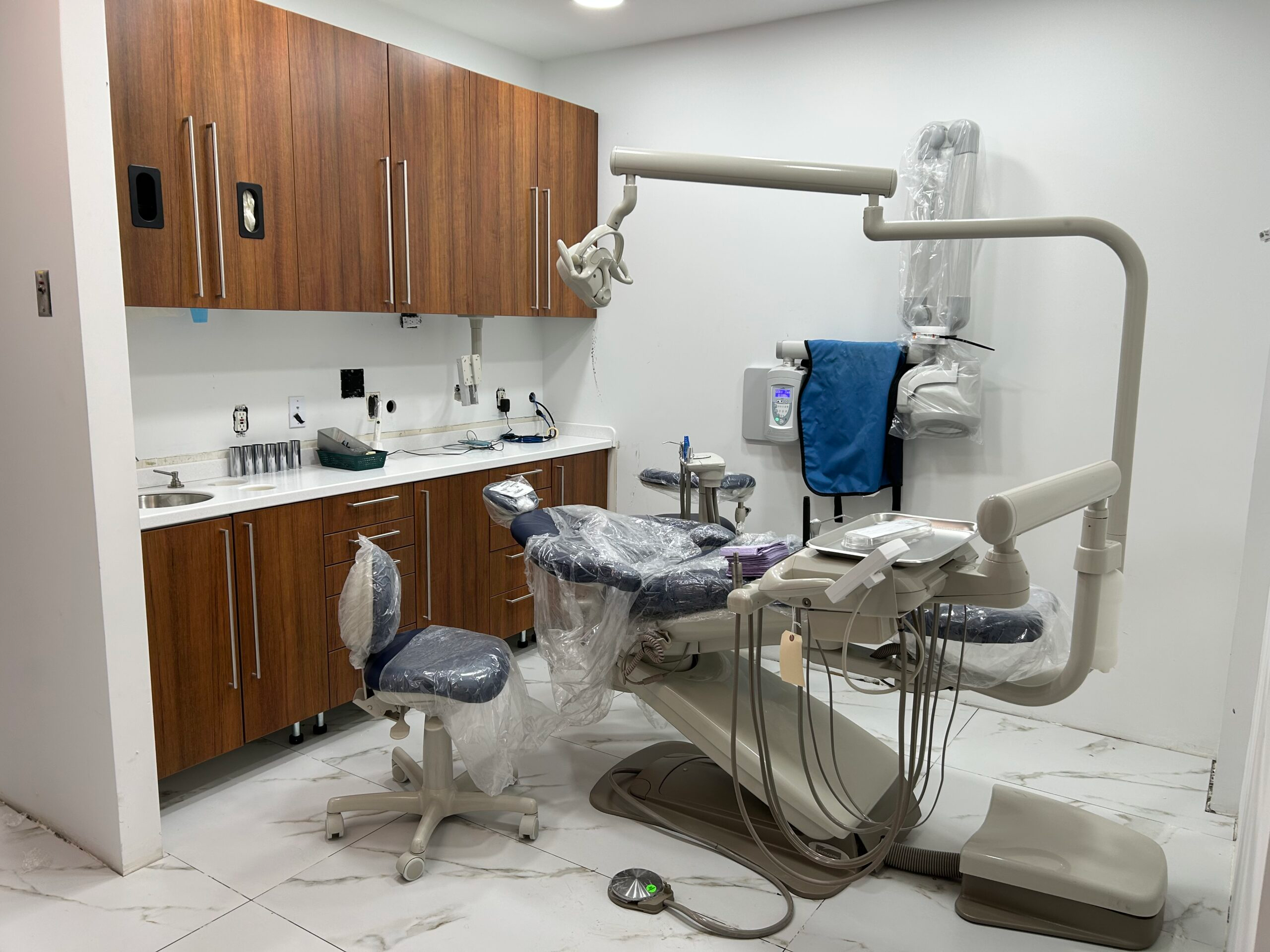
Network infrastructure forms the backbone of today’s digital dental practice. We typically install Category 6A cabling throughout the practice, ensuring gigabit ethernet speeds to support high-resolution intraoral cameras, digital radiography systems, and cloud-based practice management software. Each operatory requires multiple network drops – typically four to six connections – to accommodate digital sensors, panoramic units, and auxiliary monitoring equipment.
wp:image {“id”:1224}
/wp:image
Power requirements extend far beyond standard electrical needs. Modern dental equipment demands dedicated 20-amp circuits for major units like cone beam CT scanners and CAD/CAM milling machines. We’ve learned through our dental practice construction projects that inadequate electrical planning leads to equipment performance issues and costly retrofits.
Data management infrastructure requires careful consideration of HIPAA compliance requirements. We design secure server rooms with proper cooling, backup power systems, and fire suppression to protect patient data. Cloud-hybrid systems are becoming standard, requiring reliable internet connectivity with failover capabilities through secondary providers.
Equipment Placement Planning for Optimal Workflow
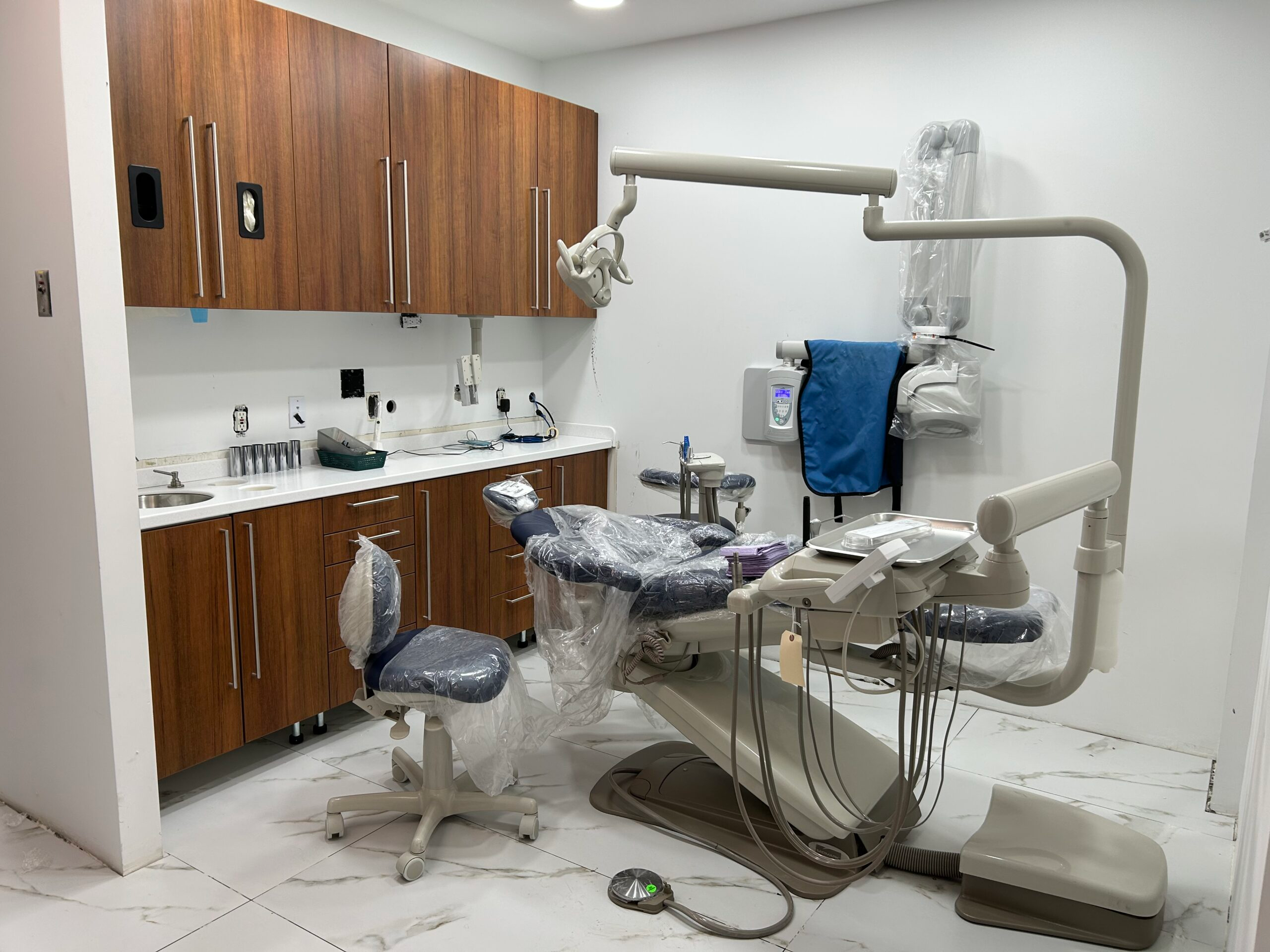
Strategic equipment placement directly impacts practice efficiency and patient experience. Our manufacturer training with A-dec, Midmark, and Planmeca has taught us that technology integration success depends on understanding each manufacturer’s specific requirements and workflow optimization principles.
Digital imaging systems require careful spatial planning. Panoramic and cephalometric units need adequate clearance zones while maintaining efficient patient flow. We typically position these units in dedicated imaging rooms with lead-lined walls, ensuring radiation safety while maximizing space utilization. The control panels must be positioned for operator safety while maintaining clear sightlines to patients.
Intraoral scanner stations integrate best when positioned near treatment chairs with swivel-arm mounting systems. This allows practitioners to capture impressions without disrupting patient comfort or breaking sterile protocols. We’ve found that practices using CAD/CAM systems benefit from dedicated prep areas where scanning and milling can occur simultaneously with other treatments.
wp:image {“id”:1223}
/wp:image
Practice management system integration requires thoughtful placement of monitors, keyboards, and input devices throughout the practice. Reception areas need dual-monitor setups for patient scheduling and insurance processing, while operatories benefit from ceiling-mounted monitors that don’t interfere with treatment but allow real-time access to patient records and imaging.
Storage solutions for digital equipment require climate-controlled environments. Sensors, scanners, and portable devices need dedicated charging stations with proper ventilation. We design custom cabinetry that accommodates equipment specifications while maintaining the aesthetic appeal that Long Island patients expect.
Integration with Sterilization Workflows
Digital technology integration must accommodate infection control protocols specific to dental practices. Sterilization areas require specialized utility connections for ultrasonic cleaners, autoclaves, and chemical processing equipment. We design workflow patterns that separate contaminated and clean instruments while incorporating technology for tracking sterilization cycles and compliance documentation.
Touch-free technologies are becoming essential in post-pandemic practice design. Motion-sensor faucets, automatic soap dispensers, and voice-activated systems reduce cross-contamination risks while improving operational efficiency. These systems require additional low-voltage wiring and network connections that we integrate during the construction phase.
Future-Proofing Technology Infrastructure
Successful dental practice technology integration requires anticipating technological advances that will emerge over the next five to ten years. Our experience with Long Island practices has shown that practices investing in flexible infrastructure avoid costly renovations when upgrading equipment.
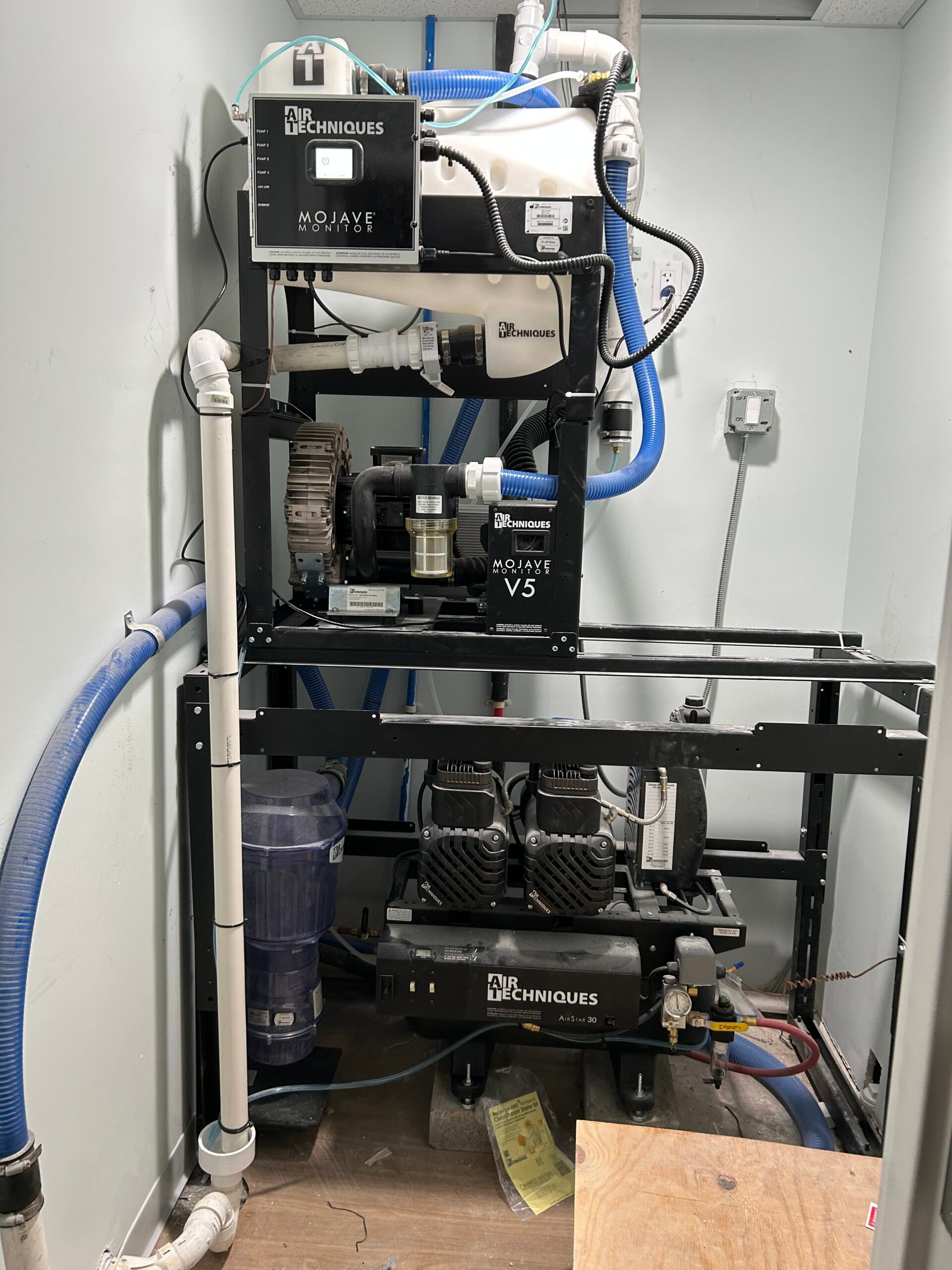
Artificial intelligence integration is rapidly advancing in dental diagnostics. AI-powered imaging analysis requires substantial computing power and cloud connectivity. We now install high-capacity internet connections and design server infrastructure capable of handling AI processing demands. Practices in areas like Syosset and Plainview with reliable fiber optic access gain competitive advantages through faster AI processing capabilities.
wp:image {“id”:1219}
/wp:image
3D printing technology is expanding beyond models and surgical guides to include same-day crown production and custom prosthetics. These systems require dedicated ventilation for resin processing and substantial electrical capacity. We design flexible spaces that can accommodate evolving 3D printing technologies without major renovations.
Telemedicine capabilities became essential during the pandemic and continue growing in importance. We now include high-quality lighting and camera systems in consultation areas, along with reliable video conferencing infrastructure. This allows practices to offer remote consultations and collaborate with specialists regardless of location.
When planning these technology integrations, our team collaborates closely with practices to understand their specific needs and growth projections. This approach has proven successful in our Long Island office renovation projects, where practices often expand their technology capabilities within a few years of initial construction.
Integration Challenges and Solutions
Long Island dental practices face unique integration challenges that require specialized solutions. Older buildings in established areas like Rockville Centre and Westbury often have limited electrical capacity and outdated HVAC systems that cannot support modern dental equipment loads.
Electromagnetic interference presents ongoing challenges in technology-dense environments. Digital sensors, wireless devices, and high-powered dental equipment can interfere with each other without proper planning. We use specialized shielding techniques and frequency management to ensure all systems operate reliably.
Building code compliance adds complexity to technology integration projects. Long Island municipalities have varying requirements for medical facilities, particularly regarding electrical, plumbing, and HVAC modifications. Our team navigates these requirements while ensuring full ADA compliance and optimal technology performance.
Cost management requires balancing immediate technology needs with future expansion capabilities. Understanding dental contractor costs for technology integration helps practices make informed decisions about phased implementations versus comprehensive renovations.
Manufacturer-Specific Integration Requirements
Our manufacturer training with leading dental equipment companies provides crucial insights into integration requirements that generic contractors often overlook. A-dec systems require specific mounting specifications and utility connections that differ significantly from Midmark installations. Planmeca’s digital imaging systems have unique calibration requirements that affect room design and equipment placement.
Warranty protection depends on proper installation according to manufacturer specifications. We’ve seen practices lose warranty coverage due to improper integration by untrained contractors. Our manufacturer certifications ensure installations meet exact specifications while optimizing performance and longevity.
Software integration between different manufacturers requires careful planning. Practice management systems must communicate effectively with imaging software, billing platforms, and clinical documentation tools. We work with practices to ensure seamless data flow between all systems.
ROI Considerations for Technology Integration
Technology integration investments require careful analysis of return on investment for Long Island dental practices. Digital imaging systems typically pay for themselves within 18-24 months through eliminated film costs and improved diagnostic capabilities. CAD/CAM systems provide immediate revenue opportunities through same-day crown services that command premium pricing in competitive Long Island markets.
Operational efficiency gains from integrated systems reduce staffing requirements and improve patient throughput. Practices report 15-20% improvements in daily patient capacity after implementing comprehensive technology integration with optimized workflows.
Patient satisfaction improvements from advanced technology integration lead to increased case acceptance and referrals. Long Island patients expect modern technology and are willing to pay premium fees for practices that provide cutting-edge care.
Conclusion
Successful dental practice technology integration requires comprehensive planning, expert installation, and future-focused infrastructure design. Our team at GCMM Dental Construction combines manufacturer training, construction expertise, and deep understanding of dental workflows to create technology-integrated practices that serve Long Island communities effectively.
The investment in proper technology integration pays dividends through improved patient care, operational efficiency, and competitive positioning in Long Island’s dental market. Practices that prioritize comprehensive dental office technology services during renovation create foundations for sustained growth and success.
For Long Island dental practices considering technology integration, we recommend comprehensive planning that addresses current needs while preparing for future advances. Our Long Island renovation technology planning approach ensures your investment delivers maximum value while positioning your practice for continued success in an increasingly digital healthcare environment.
Contact GCMM Dental Construction at (347) 961-7357 to discuss your dental practice technology integration needs. Our manufacturer-trained team provides comprehensive consultation and implementation services throughout Long Island, ensuring your practice benefits from the latest dental technologies while maintaining optimal operational efficiency.
As a manufacturer-trained contractor with certification from A-dec, GCMM builds operatory rooms to exact equipment specifications. For broader commercial construction needs, our parent company GCMM Home Improvement provides commercial HVAC contractor. All projects follow ADA dental office design guidelines.