
Book Appointment Now
Modern Dental Office Design Long Island
Modern Dental Office Design Long Island. Expert insights from GCMM Dental Construction. Call (347) 961-7357 for your project.
Modern Dental Office Design Long Island: Creating Patient-Centered Practices That Drive Success
Looking for modern dental office design long island in Long Island? Long Island’s competitive dental market demands practices that stand out through exceptional design and patient experience. Modern dental office design has evolved far beyond basic functionality to create environments that reduce patient anxiety, enhance operational efficiency, and reflect the sophisticated care today’s patients expect. At GCMM Dental Construction, we’ve completed dozens of modern dental office transformations across Nassau and Suffolk Counties, helping practices achieve measurable improvements in patient retention and case acceptance through strategic design implementation.
Professional Modern Dental Office Design Long Island in Long Island
The modern Long Island dental practice must balance aesthetic appeal with operational excellence while navigating unique regional challenges including zoning regulations, building codes specific to medical facilities, and the expectations of discerning suburban and coastal communities. Our manufacturer-trained team understands how proper design integration affects everything from patient flow to equipment performance, ensuring your investment delivers both immediate visual impact and long-term operational benefits.
Current Design Trends Shaping Long Island Dental Practices
Contemporary dental office design emphasizes biophilic elements, incorporating natural light, organic materials, and living plants to create calming environments that counteract clinical sterility. We’re seeing increased demand for large windows, skylights, and glass partitions that maximize natural light penetration throughout the practice. This trend works particularly well in Long Island locations where practices can capitalize on beautiful outdoor views and seasonal changes.
wp:image {“id”:847}
/wp:image
Color psychology plays a crucial role in modern dental spaces, with warm neutrals, soft blues, and earth tones replacing traditional clinical whites. We frequently specify Benjamin Moore’s “Cloud White” paired with accent walls in calming blues or greens, creating environments that feel more like upscale spas than medical facilities. Texture variation through natural wood elements, stone features, and fabric wall panels adds depth while maintaining professional aesthetics.
Technology integration has become seamlessly invisible in modern designs. Digital displays, charging stations, and smart lighting systems are built into architectural elements rather than added as afterthoughts. Our team regularly incorporates hidden cable management systems and dedicated technology zones that keep spaces clean while ensuring easy maintenance access for IT systems.
Open-concept reception areas with flexible seating arrangements allow practices to adapt to varying patient volumes and social distancing requirements. We’re designing fewer traditional waiting rooms and more diverse spaces including quiet zones, family areas, and consultation nooks that serve multiple functions throughout the day.
Strategic Space Planning for Optimal Patient Flow
Effective space planning begins with understanding your specific patient demographics and treatment patterns. Long Island practices often serve families with varying needs, requiring flexible spaces that accommodate pediatric patients, adults, and seniors comfortably. Our design process starts with comprehensive workflow analysis, mapping patient journeys from entry through treatment and departure to identify optimization opportunities.
The reception and check-in area should facilitate smooth transitions without creating bottlenecks. We typically recommend separate check-in and check-out stations when space permits, reducing wait times and improving privacy for financial discussions. Digital check-in kiosks are increasingly popular, allowing patients to complete paperwork privately while freeing staff for more complex interactions.
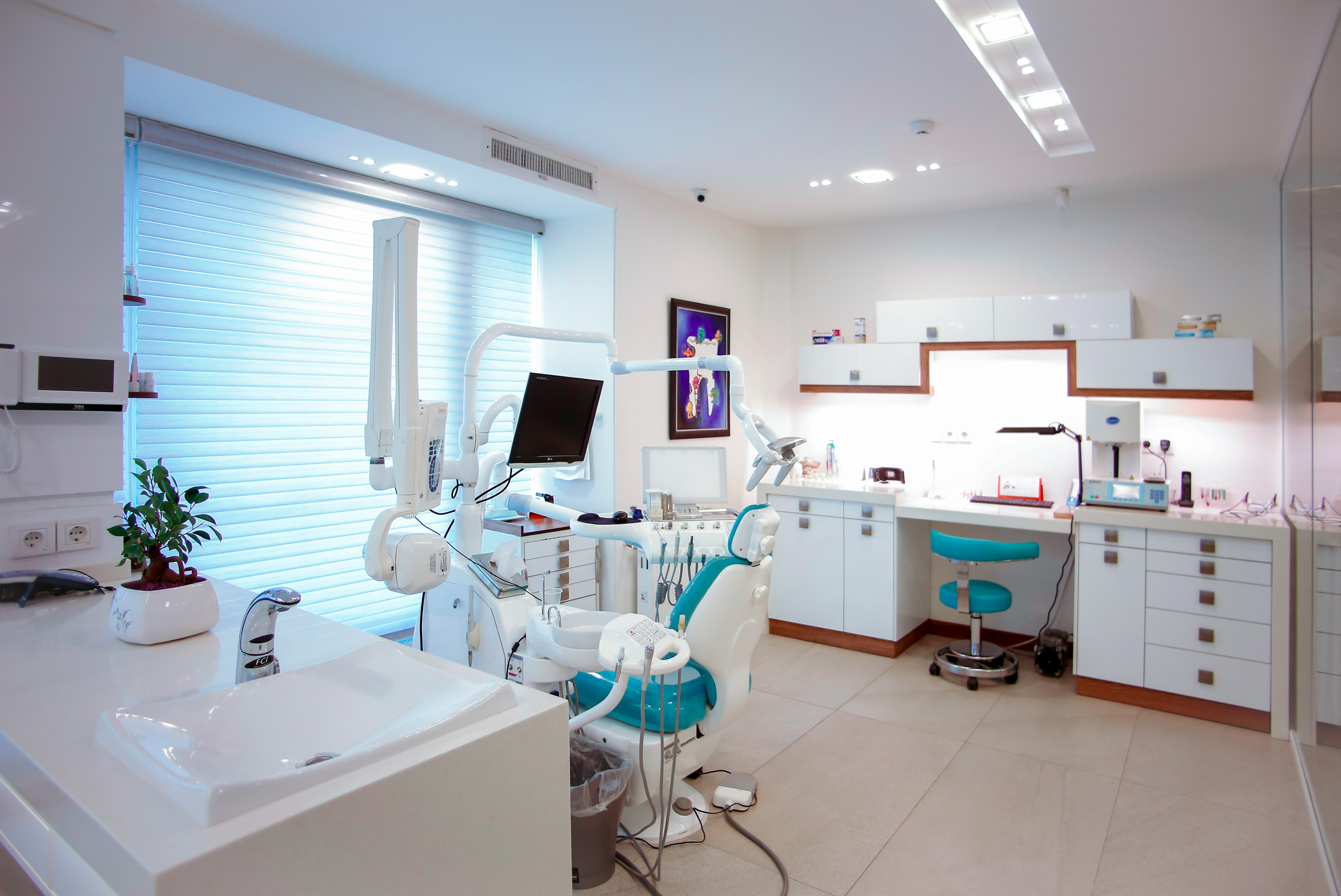
Operatory placement requires careful consideration of equipment access, natural light exposure, and noise control. We position operatories to maximize privacy while maintaining visual supervision capabilities for staff. Proper sound isolation between treatment rooms is critical, particularly in practices offering diverse services from routine cleanings to surgical procedures.
wp:image {“id”:845}
/wp:image
Administrative areas must support both current operations and future growth. We design business offices with proper sight lines to reception areas while maintaining privacy for confidential discussions. Staff break rooms and consultation areas should be positioned to minimize disruption to patient care areas while providing easy access during busy periods.
Storage planning often determines operational efficiency more than any other single factor. Modern practices require specialized storage for digital equipment, disposable supplies, and cleaning materials. We incorporate built-in cabinetry systems that maximize vertical space utilization while maintaining easy access to frequently used items.
Material Selection for Durability and Aesthetics
Modern dental office materials must withstand rigorous infection control protocols while maintaining aesthetic appeal over time. Our specifications prioritize non-porous surfaces that resist staining and bacterial growth without appearing institutional. Quartz countertops have largely replaced laminate options, offering superior durability and easier sanitization in high-traffic areas.
Flooring selection significantly impacts both patient perception and maintenance costs. Luxury vinyl plank (LVP) flooring provides wood aesthetics with medical-grade performance, resisting moisture and chemicals while offering comfort underfoot for staff working long hours. Porcelain tile remains popular in operatories and sterilization areas where frequent cleaning is required.
Wall finishes require careful consideration of both aesthetics and functionality. Painted surfaces must withstand frequent disinfection without showing wear patterns. We specify high-quality acrylic paints with antimicrobial properties in patient care areas, while accent walls might feature more decorative materials like natural wood or textured panels that don’t require frequent chemical cleaning.
Ceiling materials and configuration affect both acoustics and lighting performance. Suspended acoustic tile systems allow easy access to mechanical systems while controlling sound transmission between spaces. LED lighting integration requires proper planning during the design phase to ensure optimal color temperature and brightness levels throughout different functional areas.
Window treatments must balance privacy needs with natural light benefits. Automated blinds or electrochromic glass allow precise light control while maintaining views. Privacy films and decorative patterns can provide screening without completely blocking beneficial daylight exposure.
Patient Flow Optimization Through Thoughtful Design
Successful patient flow begins before patients enter your practice, with clear exterior signage and accessible parking arrangements. Long Island zoning often requires specific parking ratios for medical facilities, and we ensure compliance while maximizing convenience for patients with mobility challenges or families with young children.
wp:image {“id”:843}
/wp:image
Interior circulation patterns should minimize confusion and reduce patient anxiety through intuitive wayfinding. We design clear sight lines from the entrance to reception areas while incorporating subtle directional cues through flooring patterns, lighting design, and architectural elements. Color coding for different functional areas helps patients navigate independently while reducing staff interruptions.
Consultation rooms require strategic positioning to facilitate private discussions without requiring patients to walk through treatment areas. We often locate these spaces adjacent to reception areas with separate entrances to operatory corridors, allowing flexible use for initial consultations, treatment planning, or financial discussions.
Scheduling efficiency improves dramatically with proper space allocation for different appointment types. Quick procedures like x-rays or consultations benefit from dedicated spaces that don’t tie up fully equipped operatories. We design flexible spaces that can accommodate varying appointment lengths and treatment complexity.
Our experience with dental practice construction throughout Long Island has shown that proper flow design can increase practice capacity by 15-20% without adding square footage, simply by eliminating bottlenecks and optimizing space utilization patterns.
Technology Integration in Modern Dental Spaces
Today’s dental practices require extensive technology infrastructure planned during the design phase rather than retrofitted later. Digital radiography, intraoral cameras, CAD/CAM systems, and practice management software all require dedicated power, data, and ventilation considerations that affect space planning and construction details.
Operatory design must accommodate current equipment while providing flexibility for future technology adoption. We work closely with equipment manufacturers including A-dec, Midmark, and Planmeca to ensure proper rough-in requirements are met during construction, avoiding costly modifications later. Our manufacturer-trained installation team understands the precise requirements for different equipment configurations.
Network infrastructure requires careful planning to support both current operations and future expansion. We specify commercial-grade networking systems with adequate bandwidth for cloud-based practice management, digital imaging, and patient communication systems. Redundant internet connections ensure continuous operation even during service disruptions.
Patient entertainment and communication systems enhance the treatment experience while supporting case presentation efforts. Ceiling-mounted monitors in operatories allow patients to view educational content or entertainment during procedures, while chairside monitors facilitate treatment explanations using intraoral camera images and patient education software.
Smart building systems including automated lighting, climate control, and security systems reduce operational costs while improving staff and patient comfort. These systems require integration during the construction phase to avoid visible wiring and ensure reliable operation.
Regulatory Compliance and ADA Requirements
Long Island dental offices must comply with federal ADA requirements, New York State Department of Health regulations, and local building codes that vary by municipality. Our team maintains current knowledge of all applicable requirements, ensuring your project meets compliance standards without over-engineering solutions.
ADA compliance extends beyond basic accessibility to include sight line requirements at reception counters, door width specifications, and accessible parking designations. We incorporate these requirements seamlessly into the design aesthetic rather than treating them as afterthoughts that compromise visual appeal.
Infection control requirements significantly impact material selection, ventilation design, and space planning. Operatories require negative air pressure relative to public areas, with specified air change rates and filtration standards. Sterilization areas need proper ventilation for equipment operation and staff safety.
Fire safety systems and emergency egress planning require coordination with local fire departments and building officials. Medical facilities often have enhanced requirements compared to general office spaces, particularly regarding emergency power systems and evacuation procedures for patients with mobility limitations.
Budgeting and Project Management Considerations
Modern dental office design projects in Long Island typically range from $150 to $400 per square foot depending on the scope of work, equipment requirements, and finish selections. Understanding these cost ranges early in the planning process helps ensure realistic budgeting and prevents costly mid-project changes. For detailed cost breakdowns and budget planning assistance, our comprehensive contractor cost guide provides current market rates specific to the Long Island region.
Project scheduling must account for equipment lead times, permit approval processes, and coordination with existing practice operations. We typically recommend 12-16 weeks for complete buildouts, with phased construction options available for practices that cannot close entirely during renovation.
Value engineering during the design phase identifies opportunities to optimize costs without compromising functionality or aesthetics. Our team reviews all specifications to ensure appropriate material selections that balance initial investment with long-term performance and maintenance costs.
Working with experienced dental office contractors who understand the unique requirements of dental facilities prevents costly mistakes and ensures efficient project completion. Our manufacturer-trained team provides single-source accountability for both construction and equipment installation, streamlining the entire process.
Maximizing Return on Investment Through Strategic Design
Modern dental office design should generate measurable returns through increased case acceptance, improved patient retention, and enhanced operational efficiency. Studies consistently show that patients perceive higher quality care in well-designed environments, supporting premium fee structures and reducing price sensitivity for recommended treatments.
Operational efficiency improvements through proper space planning can increase practice capacity without adding staff or extending hours. Streamlined workflows, adequate storage, and proper equipment placement reduce the time required for routine procedures while minimizing staff fatigue and turnover.
Energy-efficient systems and sustainable design elements reduce ongoing operational costs while appealing to environmentally conscious patients. LED lighting, high-efficiency HVAC systems, and smart building controls typically provide 3-5 year payback periods through reduced utility costs.
Future flexibility built into the initial design accommodates practice growth and changing treatment modalities without requiring major renovations. Proper infrastructure planning allows equipment upgrades and space reconfigurations as practices evolve and expand their service offerings.
Getting Started with Your Modern Dental Office Design Project
Successful modern dental office design begins with comprehensive planning that addresses your specific practice goals, patient demographics, and operational requirements. Our team starts each project with detailed consultations to understand your vision and translate it into practical design solutions that deliver measurable results.
The design process typically begins 6-9 months before your desired completion date, allowing adequate time for planning, permitting, and material procurement. Early engagement ensures availability during your preferred construction timeline and allows for thorough preparation that prevents delays and cost overruns.
Site evaluation and feasibility analysis help identify potential challenges and opportunities specific to your Long Island location. Zoning compliance, utility capacity, and structural considerations all affect design possibilities and project costs. Our thorough evaluation process ensures realistic expectations and accurate budgeting from project inception.
As part of comprehensive Long Island office renovation planning, we coordinate all aspects of your project from initial design through final equipment installation and staff training. Our integrated approach ensures seamless project delivery that minimizes disruption to your practice operations while maximizing the impact of your investment.
Ready to Transform Your Long Island Dental Practice?
Modern dental office design represents a significant investment in your practice’s future success, requiring expertise in both construction and dental-specific requirements. GCMM Dental Construction combines manufacturer-trained equipment installation capabilities with comprehensive design and construction services, providing single-source accountability for your entire project.
Our team serves practices throughout Long Island, from Nassau County suburbs to Suffolk County coastal communities, understanding the unique requirements and preferences of different local markets. We’ve successfully completed modern dental office projects in Hempstead, Huntington, Babylon, Islip, and dozens of other Long Island communities.
To discuss your modern dental office design project and explore how strategic planning can enhance your practice’s success, contact our team at (347) 961-7357 or email gary@gcmm.nyc. We’ll schedule a consultation to review your current space, understand your goals, and develop a comprehensive plan that transforms your vision into reality while maximizing your return on investment.
Don’t let outdated office design limit your practice’s potential. Call (347) 961-7357 today to begin planning your modern dental office transformation that will serve your Long Island practice for years to come.
With factory certification from A-dec, our team builds operatory rooms to exact equipment specifications. GCMM also offers commercial HVAC contractor for non-dental commercial projects. All work meets ADA dental office design guidelines.